Schenectady PD Use Drones to Track Armed Suspect and Recover Illegal Firearm
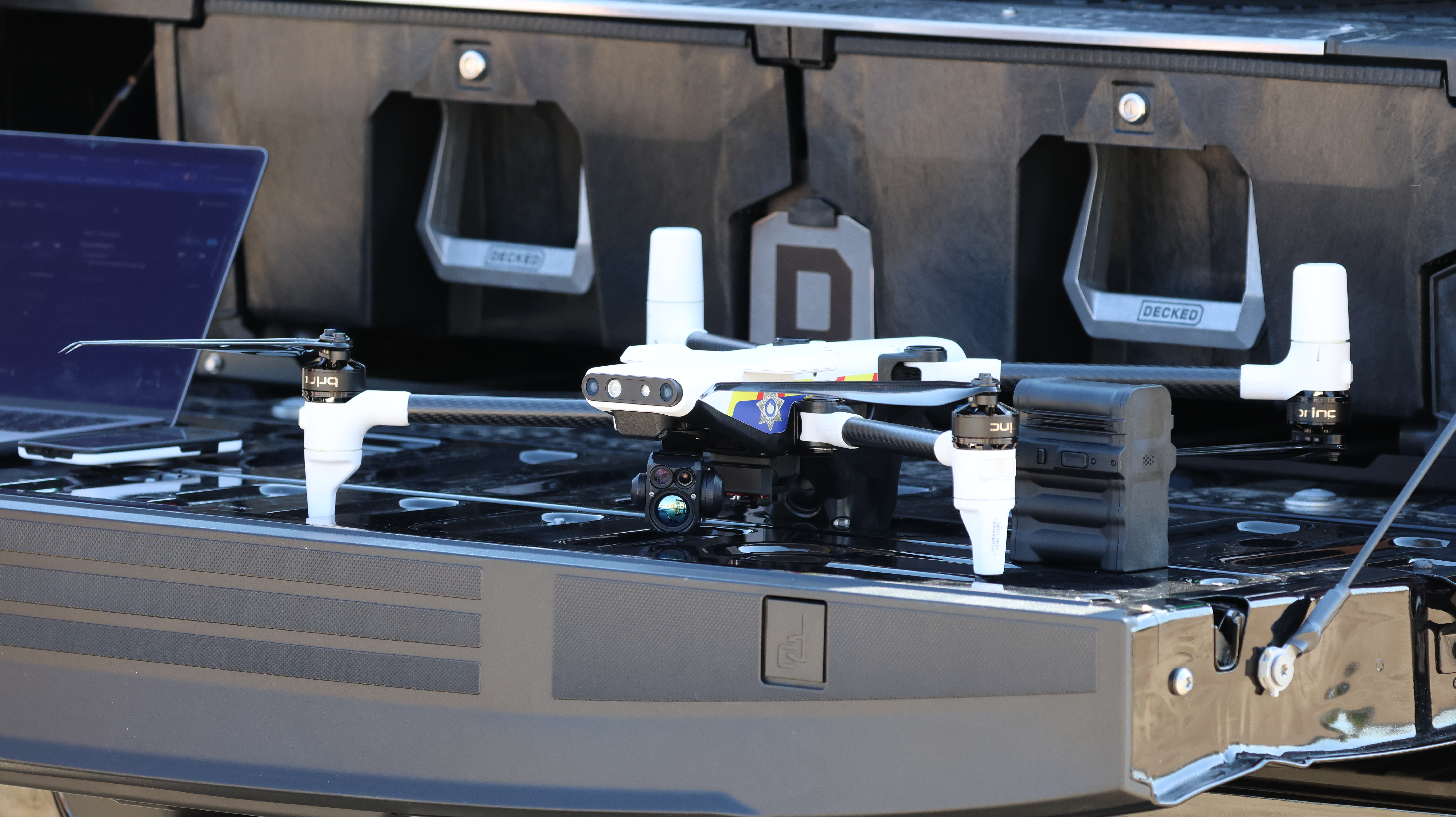
BRINC Drone as First Responder helps officers locate a fleeing suspect, guide officers to his hiding place, and recover the weapon used to threaten two victims.
The Call
On the morning of May 27th, 2026, Schenectady Police officers responded to a 911 call reporting that an armed man had threatened two women. Before officers arrived, the suspect fled the area on foot.
With an armed suspect moving through a residential neighborhood, officers faced two immediate priorities. First, locate him quickly before he could escape or threaten others. And secondly, recover the firearm used during the incident.
The Response
As ground officers began searching the neighborhood, a Schenectady Police officer deployed the department’s DFR drone to establish an aerial view of the area.
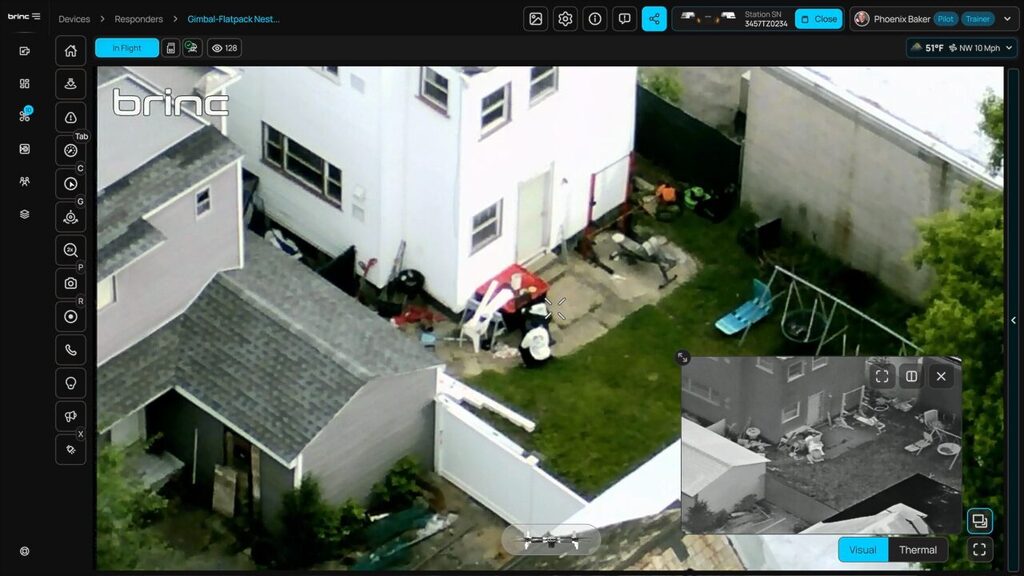
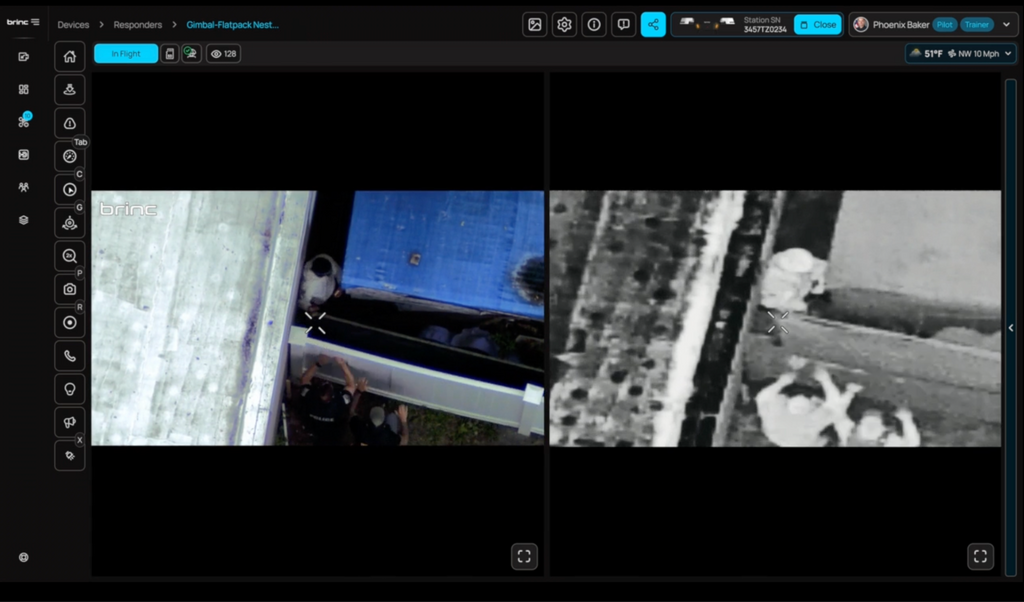
Within minutes, the Responder drone located the suspect fleeing through nearby properties. From above, the drone operator maintained continuous visual contact while providing real-time updates to responding officers.
The aerial perspective revealed the suspect attempting to conceal himself in a backyard. The drone pilot directed officers to the exact location, allowing them to safely move in and take the suspect into custody.
The drone also observed that the suspect had removed his jacket and attempted to hide it before officers arrived. Guided by that information, responding officers recovered the discarded jacket and found a loaded Ruger 9mm handgun inside one of its pockets.
For Sergeant Peter Montalto, this is exactly the role DFR is designed to play.
“We’re the witness in the sky,” he says. “We give officers the information they need to do their job safely and effectively before they arrive or while they’re on scene.”
The Outcome
The drone provided continuous situational awareness throughout the search, enabling officers to:
- Rapidly locate a fleeing armed suspect.
- Maintain uninterrupted visual contact during the pursuit.
- Direct officers precisely to the suspect’s hiding location.
- Recover the loaded firearm used during
- the incident.
- Preserve critical evidence corroborating the victims’ statements.On July 30, 2026, Julio Duran pleaded guilty in Schenectady County Court to Criminal Possession of a Weapon in the Second Degree. He is scheduled to be sentenced to seven years in state prison, followed by five years of post-release supervision.
Schenectady County District Attorney Robert M. Carney summarized the value of the aerial response:
“This case shows the usefulness of drone deployment by the police. Without these observations from the air we may not have recovered this weapon that he used to threaten his victims, corroborating their accounts and removing another illegal handgun from our streets.”
Know Before You Go
Maintaining continuous visual contact with a fleeing suspect is one of the most challenging aspects of any foot pursuit. Officers on the ground can lose sight of a suspect as they move behind homes, through backyards, or over fences. A drone changes that equation.
“We can start heading to a call before the dispatcher even puts it into the computer,” says Sergeant Montalto. “We’re already a few minutes ahead of the officer, and we don’t have to follow streets, red lights, or traffic.”
That early arrival gives responding officers a live picture of what they’re walking into, allowing them to approach with better information and greater confidence.
The benefits extend beyond a single arrest.
“It just makes us more efficient,” says Sergeant Montalto. “Because officers aren’t spending time on the calls we handle, they can take other calls, which reduces our pending queue and wait times for citizens.”
A Pattern of Success
This incident is part of a broader pattern for Schenectady Police’s DFR program.
The department has used drones to monitor rape suspects before warrant service, track armed suspects across multiple locations, locate firearms discarded after shootings (including one hidden on a rooftop), and safely find people experiencing mental health crises who could not be located by patrol officers alone.
According to Sergeant Montalto, “We’ve found a lot of handguns with it.”
The department has also expanded DFR beyond emergency response by monitoring retail theft suspects, assessing road hazards, locating stolen vehicles, and using the onboard speaker to resolve lower-priority incidents without dispatching officers. We covered more on Schenectady’s program by looking at their transparency dashboard.
Looking Ahead
While Schenectady’s DFR program continues to expand, Sergeant Montalto believes the next evolution is increasing time on scene.
“The most frustrating part,” he says, “is when you’re in the heat of a moment, a suspect is fleeing, and you know you can stay on them, but you don’t have the battery to do it. I think Guardian will really solve that problem.”
Longer flight times mean drones can maintain continuous overwatch throughout an incident instead of handing off or ending the search before it is complete.
For agencies building modern DFR programs, incidents like this demonstrate why aerial awareness is becoming an essential part of emergency response. Drones help officers arrive better informed, recover critical evidence, and safely bring dangerous incidents to a close.
If your agency would like to start or scale a drone program, reach out here.