BRINC Raises $125 Million to Put a 911 Response Drone on Every Police and Fire Station Roof BRINC Raises $125M to Deploy 911 Drones Nationwide
Learn more

DFR Is Now Core 911 Infrastructure. And the Integrations Have to Match.
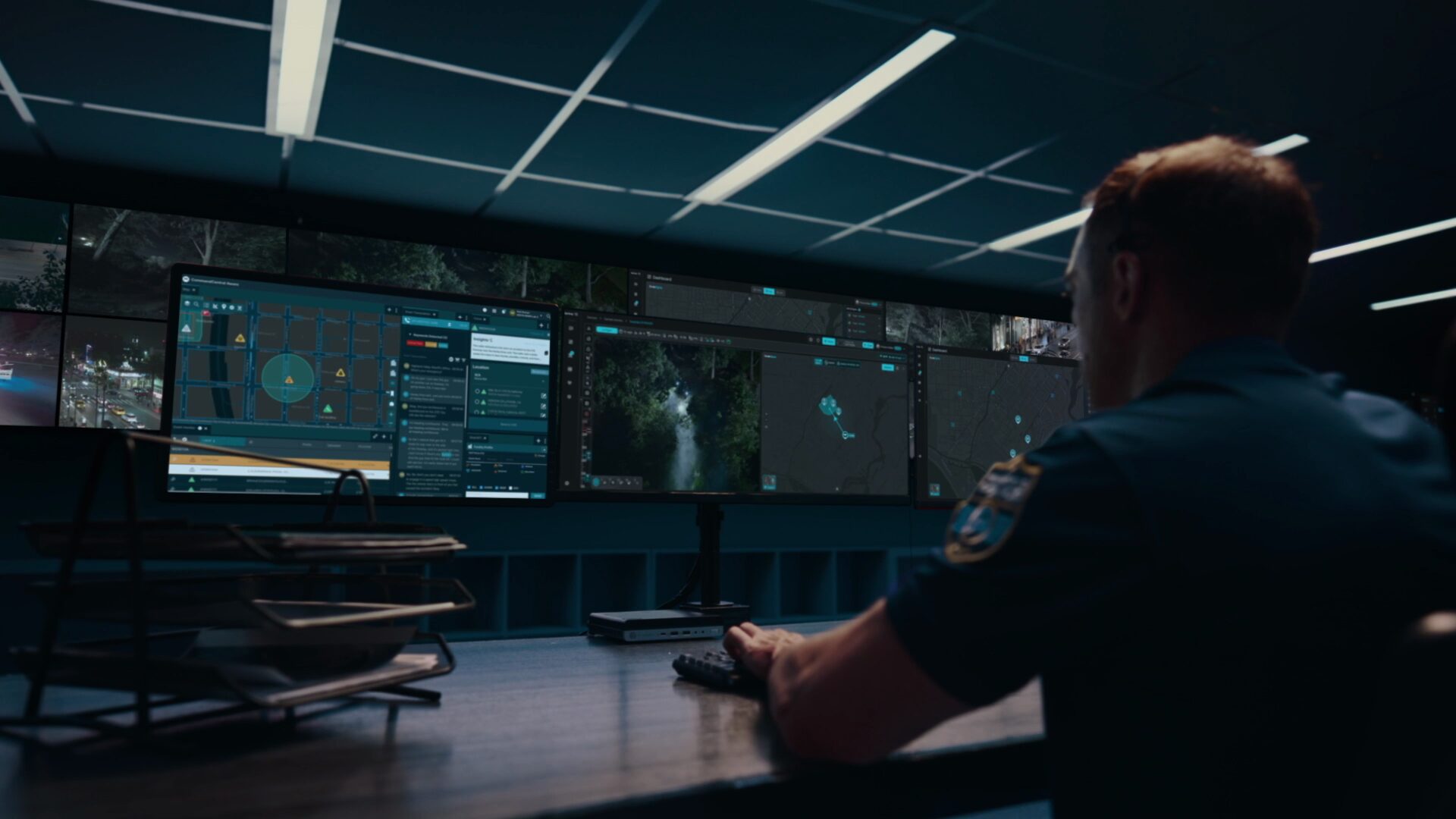
Teleoperator flies Guardian from a RTC

Drone as First Responder programs started as a way to get eyes on scene faster. That’s still true. But as RTCs become standard, CAD systems get smarter, and public safety technology matures across the board, DFR has moved from an experimental add-on to a central node in the response stack.

The result is that the drone isn’t just responding to 911 calls anymore. It’s pulling signals from gunshot detectors, license plate readers, dispatch audio, officer radios, and wildfire sensors, then launching before a human would have even finished processing the alert. The question for any DFR program today isn’t whether to integrate, but how fast you can act on the data you’re already receiving.

The Traditional 911 Call, Reimagined

The most familiar integration is also the most foundational, CAD.

When a 911 call comes in, a dispatcher enters it into a Computer-Aided Dispatch system with GPS coordinates, a call type, and a priority level. BRINC connects directly to CAD so that the moment a call is entered, a launch decision can be made. No radio traffic. No manual data entry. No lag. The drone is able to fly toward verified coordinates before a dispatcher hops off the call.

But CAD data only tells you so much. You know where and you have a rough understanding of call type. But you don’t know what’s actually happening. That’s the briefing gap, the difference between what a dispatcher hears on a 911 call and what an officer knows before they arrive on scene.

BRINC is closing that gap through partnerships with live dispatch audio platforms, including RapidDeploy, Live911 and VESTA. These integrations stream real 911 call audio directly to responding officers. Instead of relying on a condensed radio summary, an officer flying a drone remotely can hear the caller’s exact words, tone, and context, often while the drone is still en route. That audio layer enables crews to approach a scene with a better understanding of what awaits.

Gunshot Detection

When a gunshot detection system registers a potential alert, the clock starts immediately. But there’s a window (typically around a minute) before the system has enough confidence to confirm the alert and pass it downstream. In traditional response models, that’s when dispatch starts moving. In a DFR-integrated model, that’s already too late.

BRINC’s approach is straightforward. Deploy on the alert, not on the confirmation. A potential gunshot hit is enough to launch. If the drone arrives on scene and the gunshot alert was actually a car backfire, then it returns home. No harm done. But if the gunshot alert was real, you already have eyes overhead before anyone else is on the way. The cost of deploying to a false positive is trivial. The cost of waiting to confirm is not.

License Plate Readers

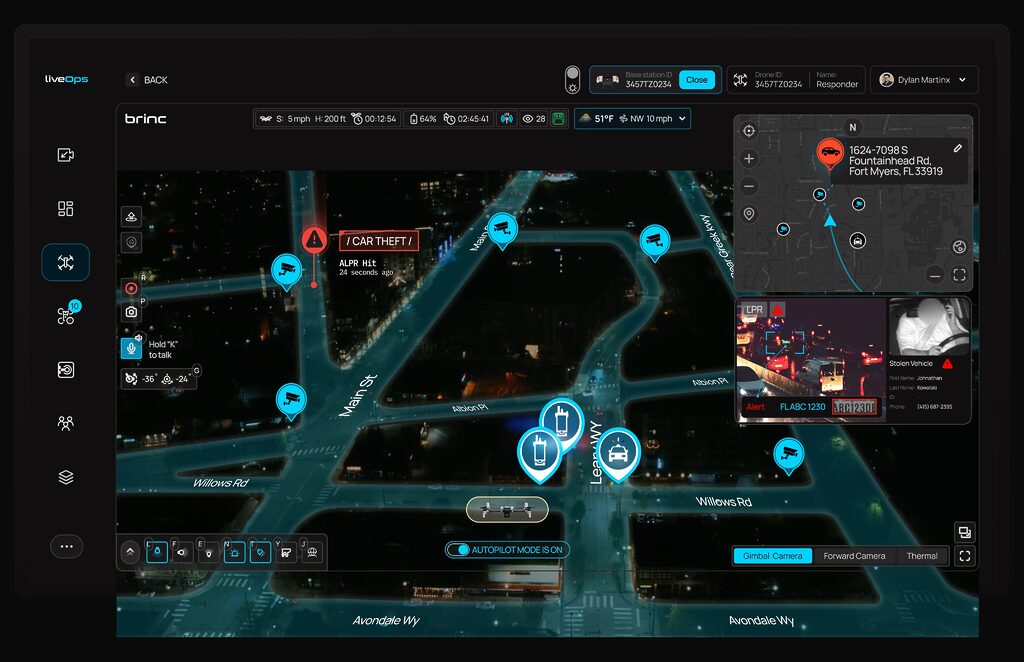
LPRs are generating real-time data across jurisdictions, collecting intel on vehicles of interest, stolen plates, and BOLO matches. When a hit occurs, that location data can trigger a DFR launch the same way a CAD call does.

If an LPR picks up a stolen vehicle, a drone can be overhead within seconds, tracking movement and feeding live video before ground units are even in the area. By the time an officer arrives, they already know the vehicle’s location and direction of travel. The drone doesn’t replace the stop. It just makes it safer and more informed.
First Responder in Need

When an officer activates an emergency radio alert, every second matters. BRINC integrates with Motorola radio systems so that a distress signal, whether from a body-worn device or a manual activation, can trigger an immediate drone launch to the officer’s last known GPS position.

Ground crews responding to a downed officer are doing so with partial information, under stress, often to an unsecured scene. A drone overhead changes that calculation entirely. By the time backup arrives, they have live video of what they’re walking into. The officer’s position is confirmed. Threats are visible. The response is coordinated instead of reactive.

Wildfire Detection

Wildfires often happen in rural areas and alerts don’t always start with a 911 call.

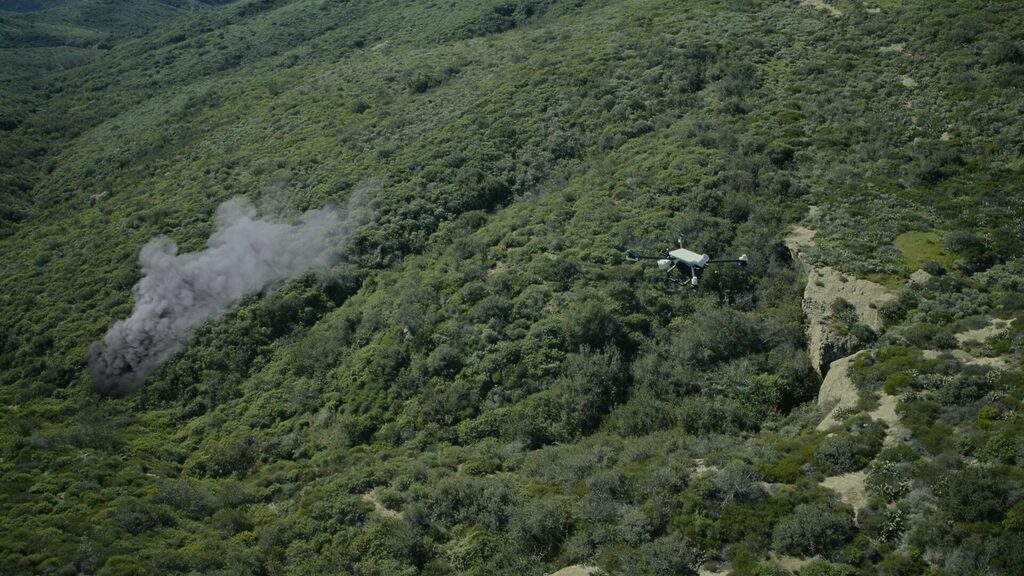
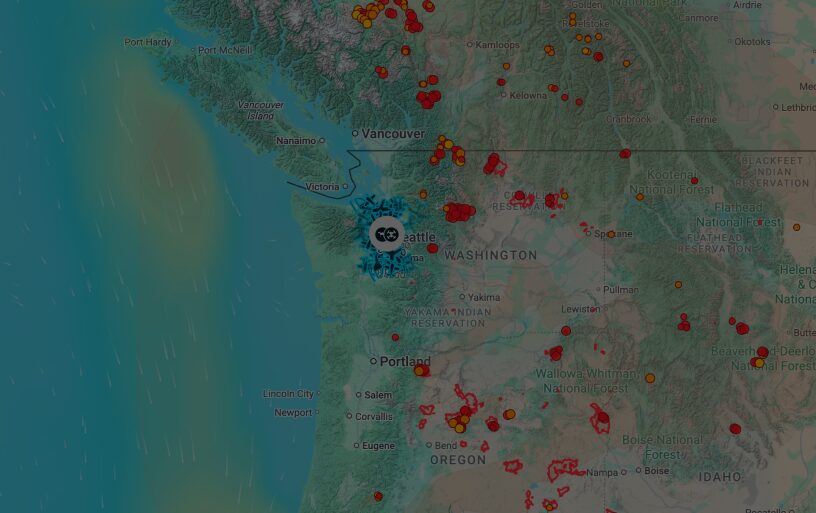
BRINC supports integration with lightning strike detection networks, so that a strike in a high-risk area (dry conditions in a remote terrain with no immediate witnesses) can automatically dispatch a drone to verify whether ignition has occurred. Minutes after a strike, there’s a drone overhead checking for smoke. If it’s clean, the drone comes home. If there’s smoke, incident command knows before the fire has a chance to spread.

For areas with fixed infrastructure, automated smoke detection cameras can trigger the same response. Here’s how it works. A camera flags anomalous smoke signatures. A drone launches to confirm, assess, and hold position. Ground resources mobilize. Early aerial intelligence at the start of a fire can be the difference between quickly putting out a fire and suffering structure loss.
BRINC’s Approach to Integrations

DFR is infrastructure now. And infrastructure has to work with everything around it.

BRINC is committed to an open integration approach. We’re not looking to be a walled garden, and we’re not going to charge agencies to connect the tools they already have. Core DFR integrations are included as part of our standard service. That includes launching to calls for service from your CAD, syncing flight data and evidence to your digital evidence platform, and streaming live footage to your RTC, dispatch center, or command staff. 

Beyond that, we actively partner with the technology providers agencies are already using in dispatch, detection, communications, and records management. When a new data source can trigger a faster, safer, more informed response, we want to connect to it.

The philosophy is simple: the drone that’s already in the air when you need it is more valuable than the one still sitting in a dock waiting for more information. Integrations are how you get there.
July 21, 2026

DFR Is Now Core 911 Infrastructure. And the Integrations Have to Match.

Teleoperator flies Guardian from a RTC

Drone as First Responder programs started as a way to get eyes on scene faster. That’s still true. But as RTCs become standard, CAD systems get smarter, and public safety technology matures across the board, DFR has moved from an experimental add-on to a central node in the response stack.

The result is that the drone isn’t just responding to 911 calls anymore. It’s pulling signals from gunshot detectors, license plate readers, dispatch audio, officer radios, and wildfire sensors, then launching before a human would have even finished processing the alert. The question for any DFR program today isn’t whether to integrate, but how fast you can act on the data you’re already receiving.

The Traditional 911 Call, Reimagined

The most familiar integration is also the most foundational, CAD.

When a 911 call comes in, a dispatcher enters it into a Computer-Aided Dispatch system with GPS coordinates, a call type, and a priority level. BRINC connects directly to CAD so that the moment a call is entered, a launch decision can be made. No radio traffic. No manual data entry. No lag. The drone is able to fly toward verified coordinates before a dispatcher hops off the call.

But CAD data only tells you so much. You know where and you have a rough understanding of call type. But you don’t know what’s actually happening. That’s the briefing gap, the difference between what a dispatcher hears on a 911 call and what an officer knows before they arrive on scene.

BRINC is closing that gap through partnerships with live dispatch audio platforms, including RapidDeploy, Live911 and VESTA. These integrations stream real 911 call audio directly to responding officers. Instead of relying on a condensed radio summary, an officer flying a drone remotely can hear the caller’s exact words, tone, and context, often while the drone is still en route. That audio layer enables crews to approach a scene with a better understanding of what awaits.

Gunshot Detection

When a gunshot detection system registers a potential alert, the clock starts immediately. But there’s a window (typically around a minute) before the system has enough confidence to confirm the alert and pass it downstream. In traditional response models, that’s when dispatch starts moving. In a DFR-integrated model, that’s already too late.

BRINC’s approach is straightforward. Deploy on the alert, not on the confirmation. A potential gunshot hit is enough to launch. If the drone arrives on scene and the gunshot alert was actually a car backfire, then it returns home. No harm done. But if the gunshot alert was real, you already have eyes overhead before anyone else is on the way. The cost of deploying to a false positive is trivial. The cost of waiting to confirm is not.

License Plate Readers

LPRs are generating real-time data across jurisdictions, collecting intel on vehicles of interest, stolen plates, and BOLO matches. When a hit occurs, that location data can trigger a DFR launch the same way a CAD call does.

If an LPR picks up a stolen vehicle, a drone can be overhead within seconds, tracking movement and feeding live video before ground units are even in the area. By the time an officer arrives, they already know the vehicle’s location and direction of travel. The drone doesn’t replace the stop. It just makes it safer and more informed.

First Responder in Need

When an officer activates an emergency radio alert, every second matters. BRINC integrates with Motorola radio systems so that a distress signal, whether from a body-worn device or a manual activation, can trigger an immediate drone launch to the officer’s last known GPS position.

Ground crews responding to a downed officer are doing so with partial information, under stress, often to an unsecured scene. A drone overhead changes that calculation entirely. By the time backup arrives, they have live video of what they’re walking into. The officer’s position is confirmed. Threats are visible. The response is coordinated instead of reactive.

Wildfire Detection

Wildfires often happen in rural areas and alerts don’t always start with a 911 call.

BRINC supports integration with lightning strike detection networks, so that a strike in a high-risk area (dry conditions in a remote terrain with no immediate witnesses) can automatically dispatch a drone to verify whether ignition has occurred. Minutes after a strike, there’s a drone overhead checking for smoke. If it’s clean, the drone comes home. If there’s smoke, incident command knows before the fire has a chance to spread.

For areas with fixed infrastructure, automated smoke detection cameras can trigger the same response. Here’s how it works. A camera flags anomalous smoke signatures. A drone launches to confirm, assess, and hold position. Ground resources mobilize. Early aerial intelligence at the start of a fire can be the difference between quickly putting out a fire and suffering structure loss.

BRINC’s Approach to Integrations

DFR is infrastructure now. And infrastructure has to work with everything around it.

BRINC is committed to an open integration approach. We’re not looking to be a walled garden, and we’re not going to charge agencies to connect the tools they already have. Core DFR integrations are included as part of our standard service. That includes launching to calls for service from your CAD, syncing flight data and evidence to your digital evidence platform, and streaming live footage to your RTC, dispatch center, or command staff. 

Beyond that, we actively partner with the technology providers agencies are already using in dispatch, detection, communications, and records management. When a new data source can trigger a faster, safer, more informed response, we want to connect to it.

The philosophy is simple: the drone that’s already in the air when you need it is more valuable than the one still sitting in a dock waiting for more information. Integrations are how you get there.

Featured