Watching a Search Unfold From Above
When a teenager went missing, the St. Johns County Sheriff's Office gave command staff a live aerial view of the search, with no extra hardware and no separate links.
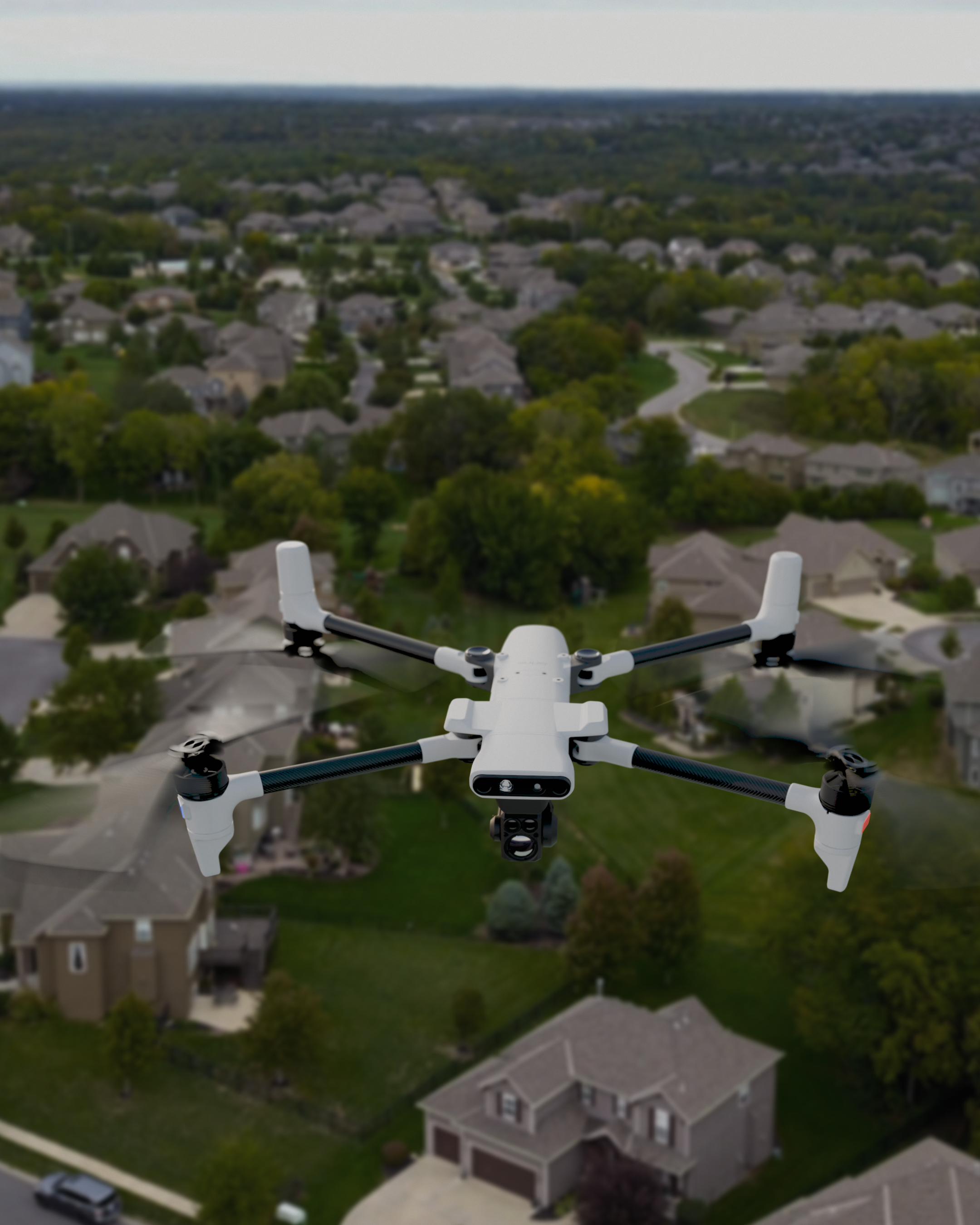
A 17-year-old had gone missing from his home in St. Johns County, Florida, and deputies were heading out to look for him. The Sheriff’s Office knew the terrain would make it hard. The county mixes new neighborhoods with scattered pockets of woodland, and a person on foot can quickly slip out of sight of anyone on the road.
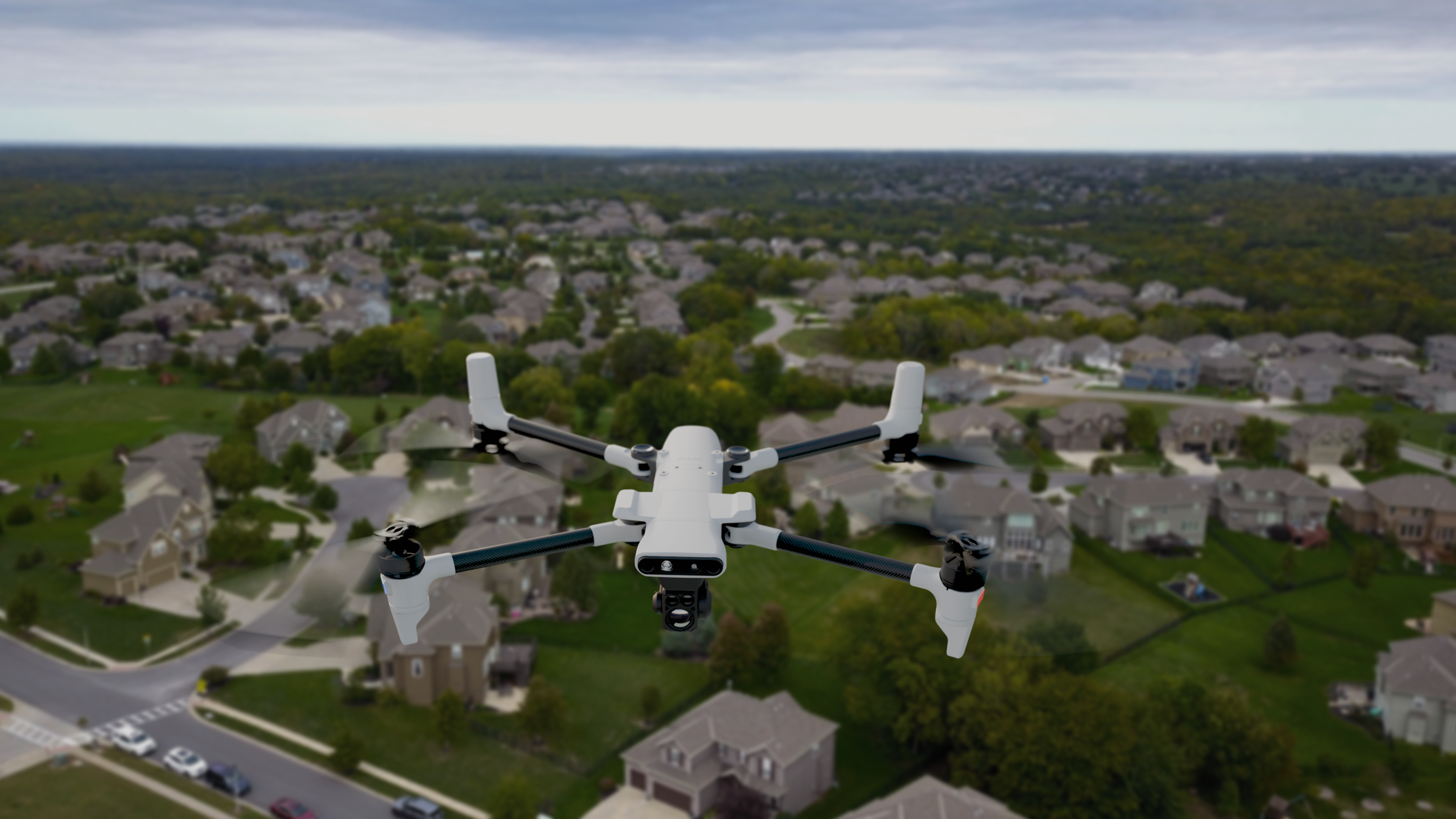
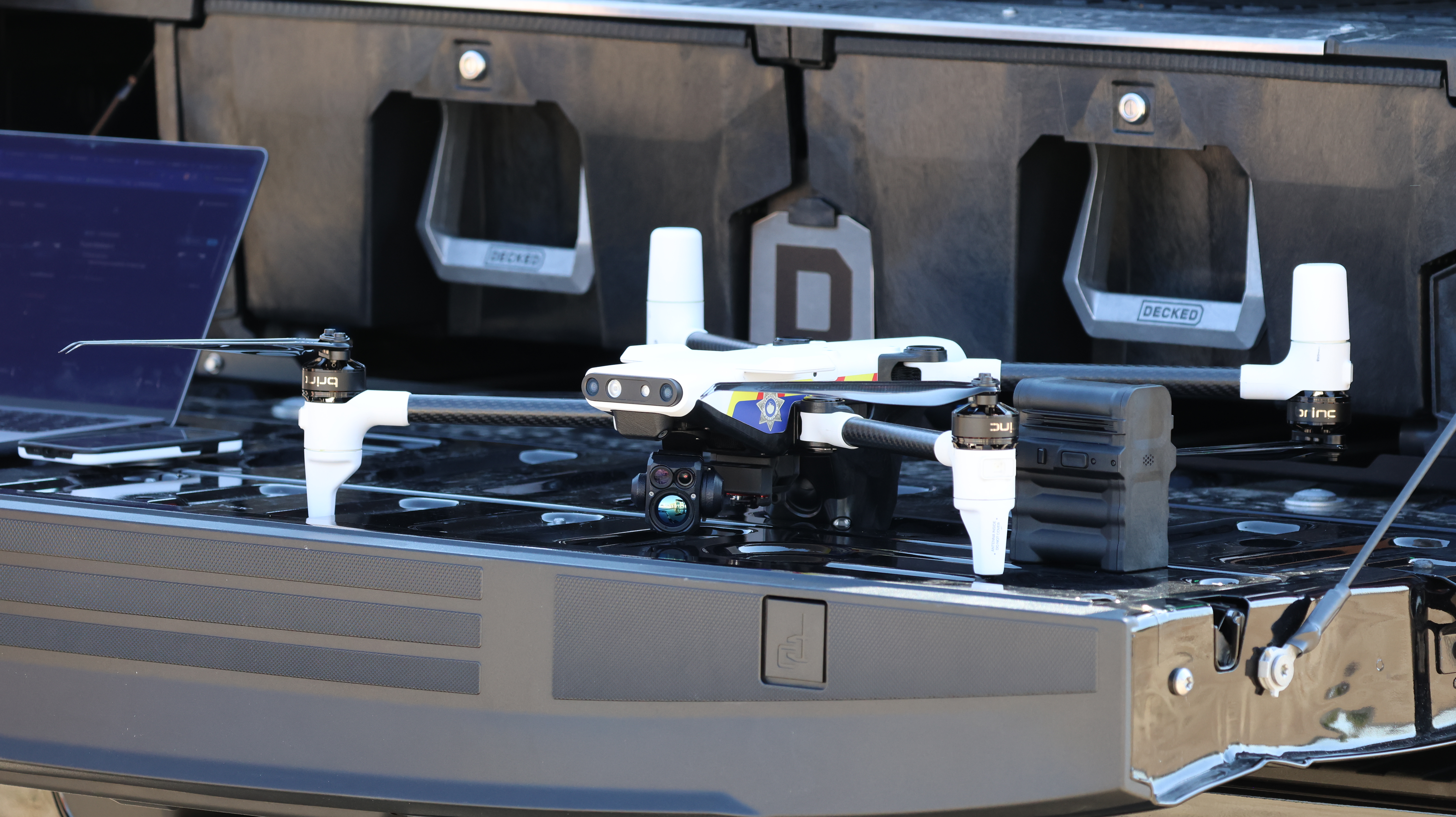
The Sheriff’s Office put up a BRINC Responder. It flew for about an hour, sweeping the woods and the surrounding areas while patrol units searched on the ground. The teen was eventually found safe in a nearby neighborhood.
Responder changed how the search was run.
A shared picture at the command post
For the first time on a live call, SJSO’s drone feed went straight into Motorola Solutions’ CommandCentral Aware. The agency already uses the platform as its real-time operations picture. Inside the mobile command bus, staff watched the Responder’s video on the big screen as the search unfolded.
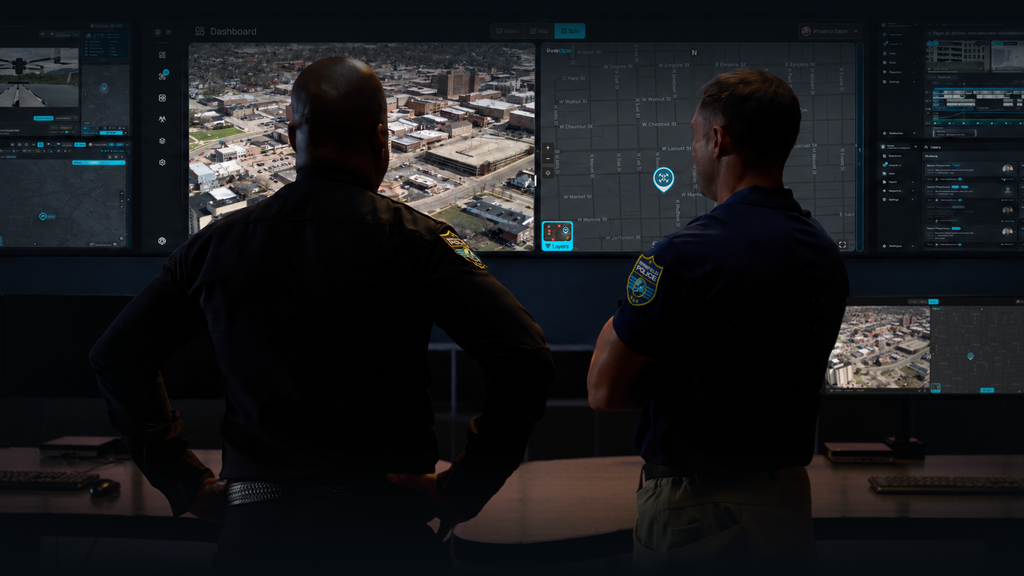
“We had it pulled up on our big command bus, and everyone loved it,” said Deputy Glenn Ward, who manages the agency’s drone program. “While we were flying, we were checking the woods and everywhere else, and everyone got to see it. That was really good for command.”
In a search, that shared view matters. Command staff could see which wooded areas had been checked from the air, without waiting for a radio summary or leaning over the pilot’s controller. The pilot kept flying and reported anything abnormal, such as a heat signature, to patrol over the radio. Command could watch the same footage the pilot was describing.
“It was quick and easy,” Ward said. “The pilot wasn’t distracted. He just did his job, and it turned out really great.”
Losing the box
Ward has streamed drone video for more than a year, but it used to take a lot of work. The pilot had to wear a separate streaming unit, cable it into the back of the drone’s controller, and manage its battery life. Ward then created a viewing link to send out, and he changed it every month.
“You have to wear the box, plug it into the back of the remote to stream the feed, and then create a separate link to send out,” he said. “Not having any of that, and just pulling the feed up in CommandCentral Aware, is a game changer.”
With the integration, a BRINC drone shows up in CommandCentral Aware as soon as it powers on, with an indicator that the stream is live. Authorized viewers open the feed from the platform they already use. Ward can also see who is watching.
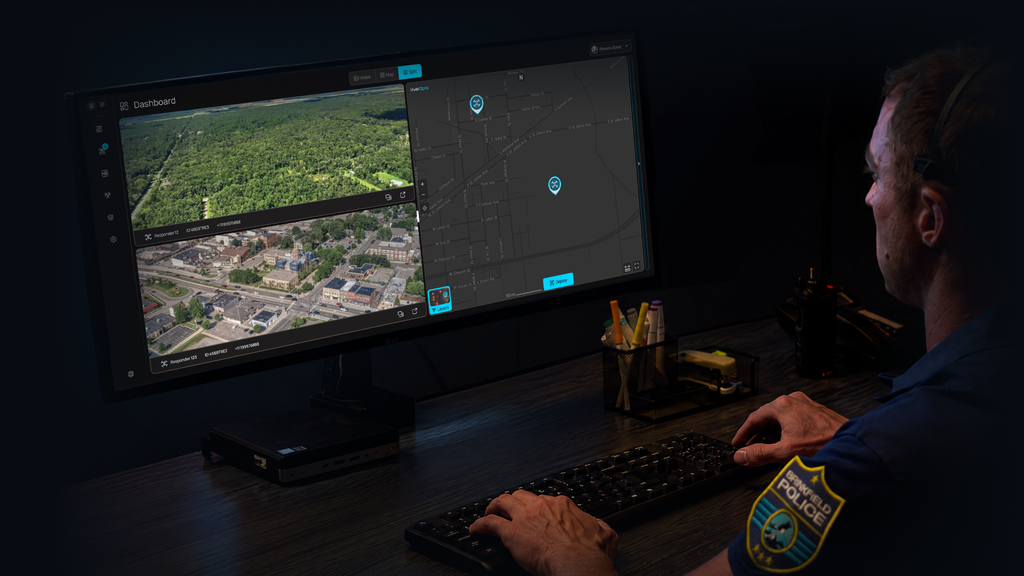
The viewer isn’t tied to the scene, either. On a separate call, two SJSO pilots were tracking suspects who had run into the woods after a traffic stop in Hastings. Ward watched both feeds side by side from the next county over.
Built for how SJSO already works
The Sheriff’s Office flies eight BRINC Responders and keeps pilots on patrol at all times. For missing children, missing adults and suspects who run on foot, putting a drone up is routine. The integration adds that aerial view to the operational picture command is already using.
Ward is rolling access out on purpose. He’s the only one testing it for now, with plans to expand to supervisors in the field. “It’s a quick, easy button,” he said.
For a search that ended well, the lesson is simple. The aircraft gave the searchers eyes above the tree line, and the integration let the people running the search see what the aircraft saw.