DFR Gunshot Response: Fixing the Gap Between Detection and Action
Gunshot calls are among the most time-sensitive, dangerous, and information-poor incidents in public safety.
And despite advances in detection, most agencies are still responding the same way they did a decade ago: After the fact.
Sure, gunshot detection solves awareness. But it does not solve response.
BRINC Drone as First Responder does.
The New Standard: Automated Response to Machine-Generated Calls
Often, agencies can know instantly when and where a shot has been fired, and still arrive too late.
Drones can respond in seconds, not minutes.
When a gunshot is detected and geolocated, the alert becomes a call for service. A BRINC DFR drone is then deployed directly to that call and positions itself overhead before ground units arrive
No lag. No friction. No re-interpretation of the event.
The Advantages of DFR
Gunshot incidents don’t happen on a schedule. They don’t wait for batteries to charge. And they don’t tolerate operational downtime.
BRINC DFR is designed specifically for this reality.
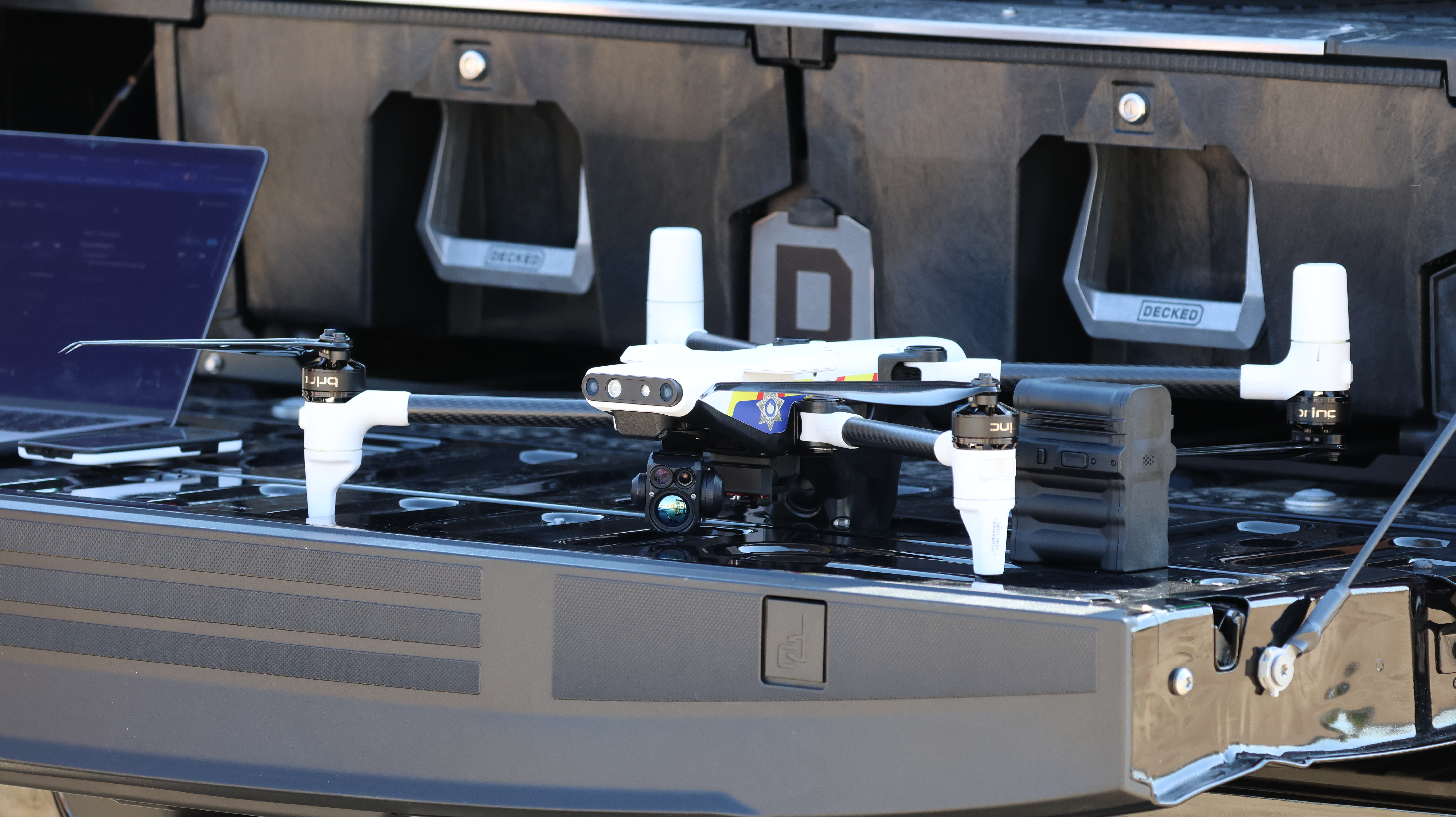
With the introduction of automated battery swapping for drones like the recently announced Guardian, DFR drones are always ready. Day or night, even back-to-back missions. That’s important because every second matters when it comes to gunshot detection. There’s no time for manual prep or system friction. BRINC DFR drones launch fast and fly directly to the call.
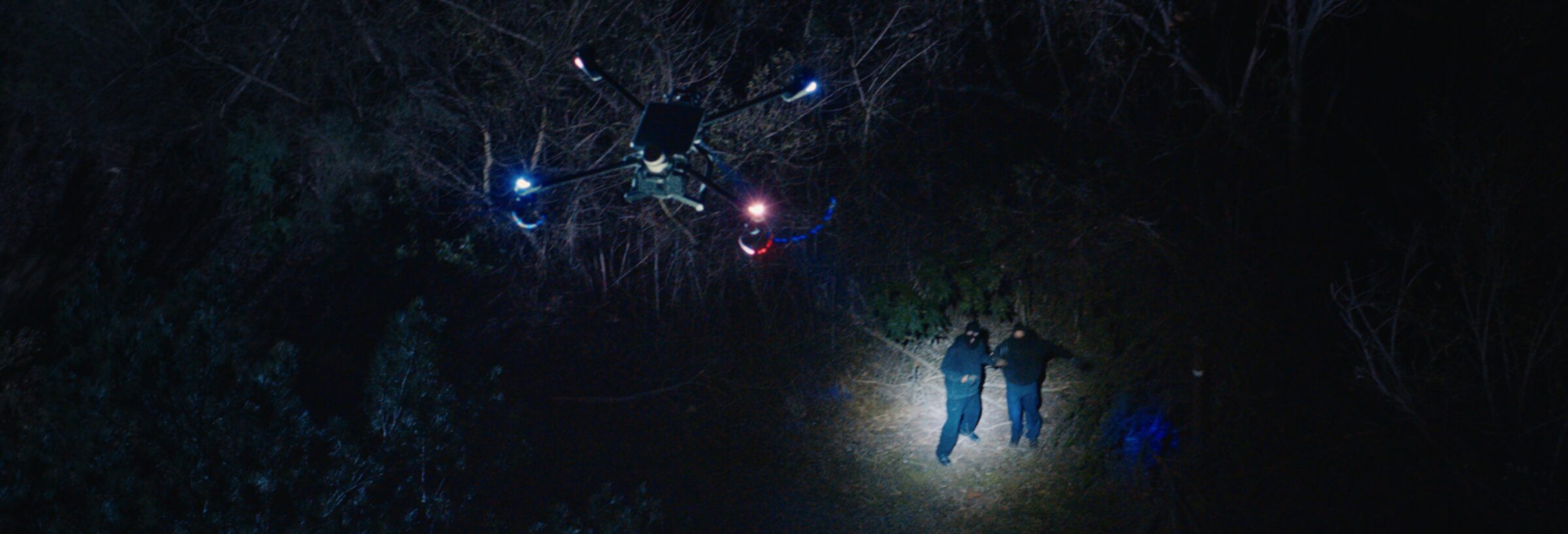
And once the drone arrives on scene, it can provide live visual and thermal awareness, giving officers actionable information before they arrive on scene.
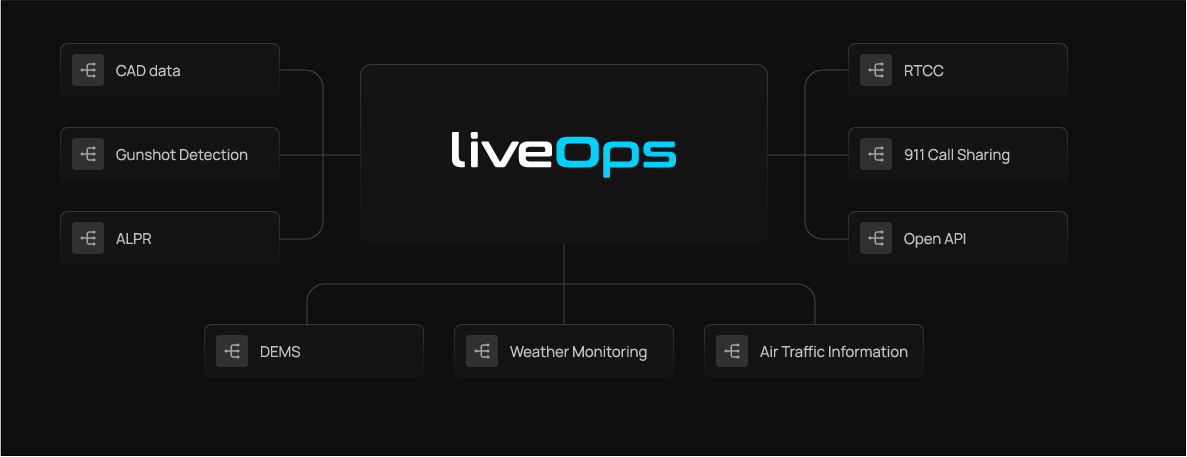
Plus, BRINC DFR drones are built for integration, connecting directly into an agency’s CAD, detection systems, and real-time crime center workflows.
Information Before Units Arrive Changes Everything
Gunshots often lack reliable caller info. BRINC DFR drones help solve this uncertainty.
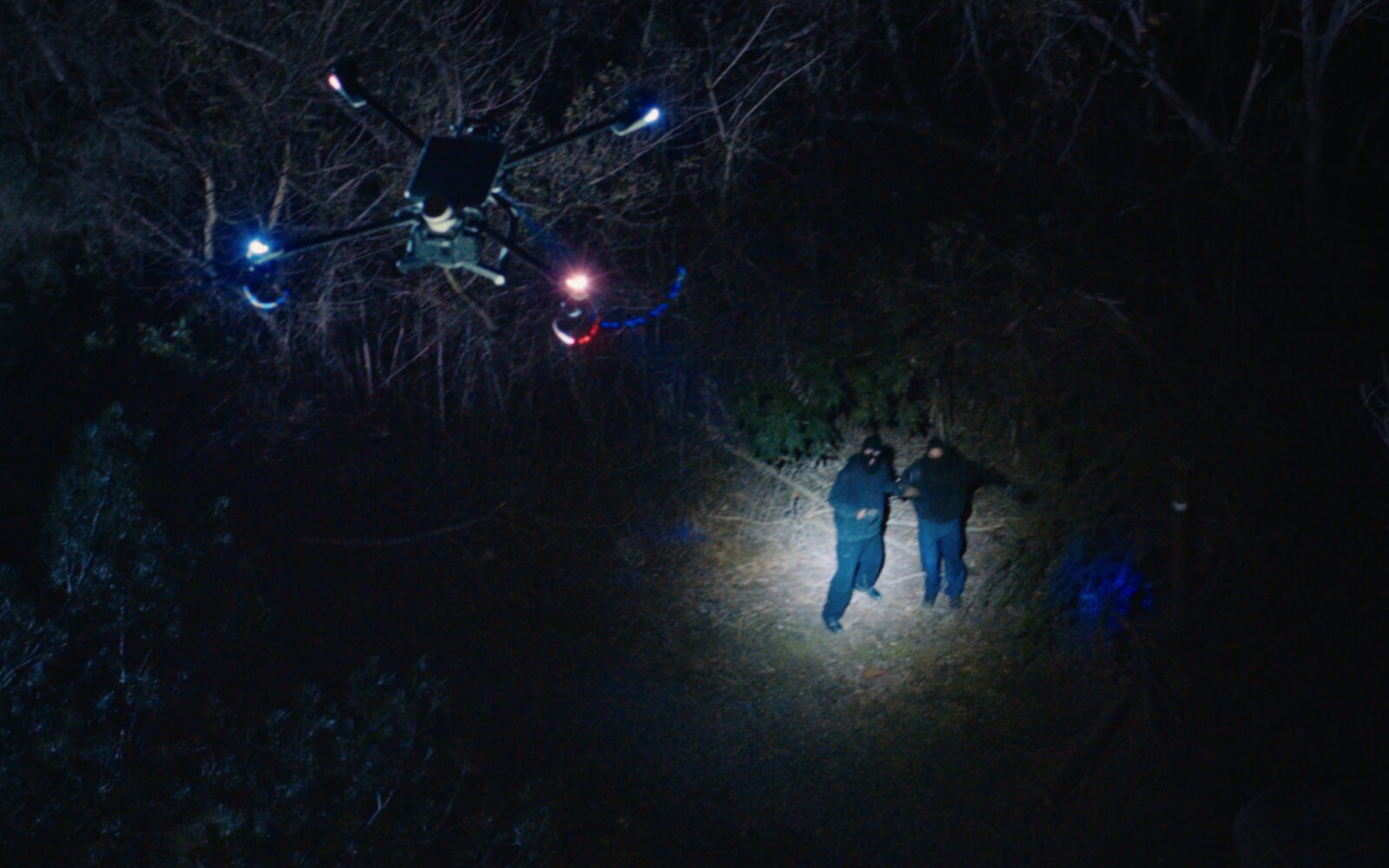
With a drone overhead in seconds, agencies can confirm whether a shooting occurred, locate victims and accelerate medical response, track suspects while they’re still in the area, and clear scenes quickly when no threat is present
DFR drones enable agencies to shift from a reactive response to informed command.
A Real-World Model: From Detection to Deployment
The Pueblo Police Department shows what this looks like in practice. By integrating gunshot detection with their BRINC DFR solution, they can launch a drone to gunfire within seconds.
As described in the SoundThinking post, Pueblo integrated ShotSpotter with BRINC’s DFR system to enable drone deployment as soon as gunfire is detected. In one of the first incidents, the drone responded to a live call and arrived so quickly that its thermal camera identified shell casing locations even after the suspects had already fled.
Just as important, many gunfire incidents would never receive a response without this kind of system. Over a two-year period, only 17% of the 3,383 ShotSpotter alerts in Pueblo generated a 911 call. So without gunshot detection paired with DFR, the majority of these incidents would have gone unaddressed..
Locating Discarded Weapons
When a DFR drone arrives overhead in seconds, it brings a perspective ground units don’t have. From the air, the drone can scan rooftops, yards, and areas where suspects often discard weapons.
And with thermal imaging, a DFR drone can pinpoint the heat signature of a firearm that has just been discharged, which would otherwise be invisible to officers searching on the ground.
In one recent case, a BRINC customer responded to a crime in progress where suspects were detained on scene but no weapon was immediately located. Upon arrival, the drone quickly found the gun discarded on a nearby rooftop, out of view of responding officers on the ground. This allowed officers to quickly recover the weapon and secure critical evidence without a prolonged search.
The Future of Gunshot Response
Public safety is moving toward a real-time operating model where sensors trigger immediate response.
Gunshot detection systems deliver the signal. BRINC DFR drones deliver the response. The community benefits.
This rapid aerial response gives agencies the ability to quickly locate discarded weapons. It helps responders identify and apprehend dangerous individuals. And it provides the real-time intelligence needed to make more informed decisions, reduce uncertainty, and de-escalate situations more effectively.
The real value isn’t just knowing a gunshot happened. It’s being able to quickly and effectively respond.
Connect with BRINC here to learn how the Drone as First Responder solution can support safer, more effective responses from your agency.