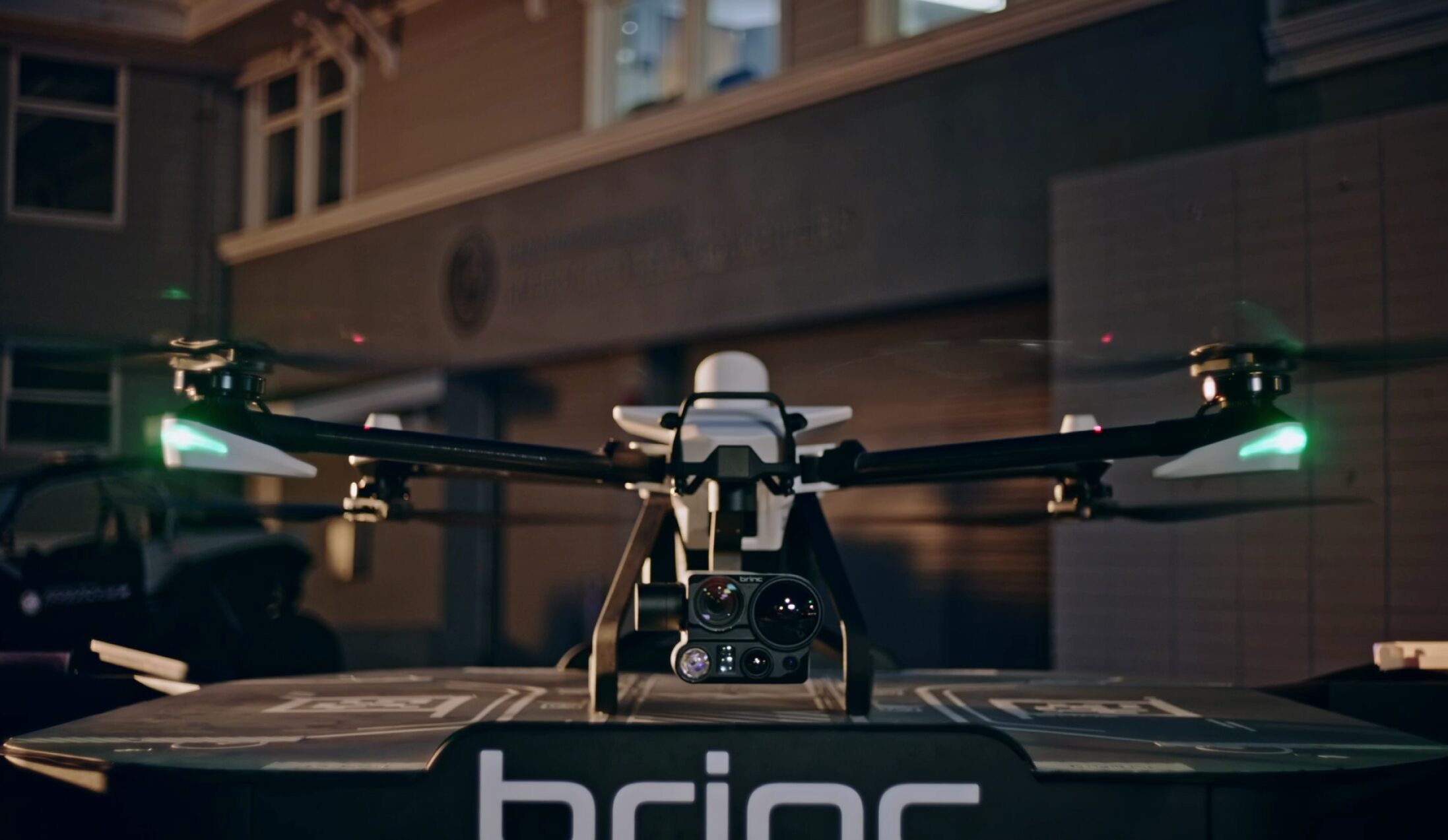
How Police Used BRINC Drones to Stop Child Sex Predators

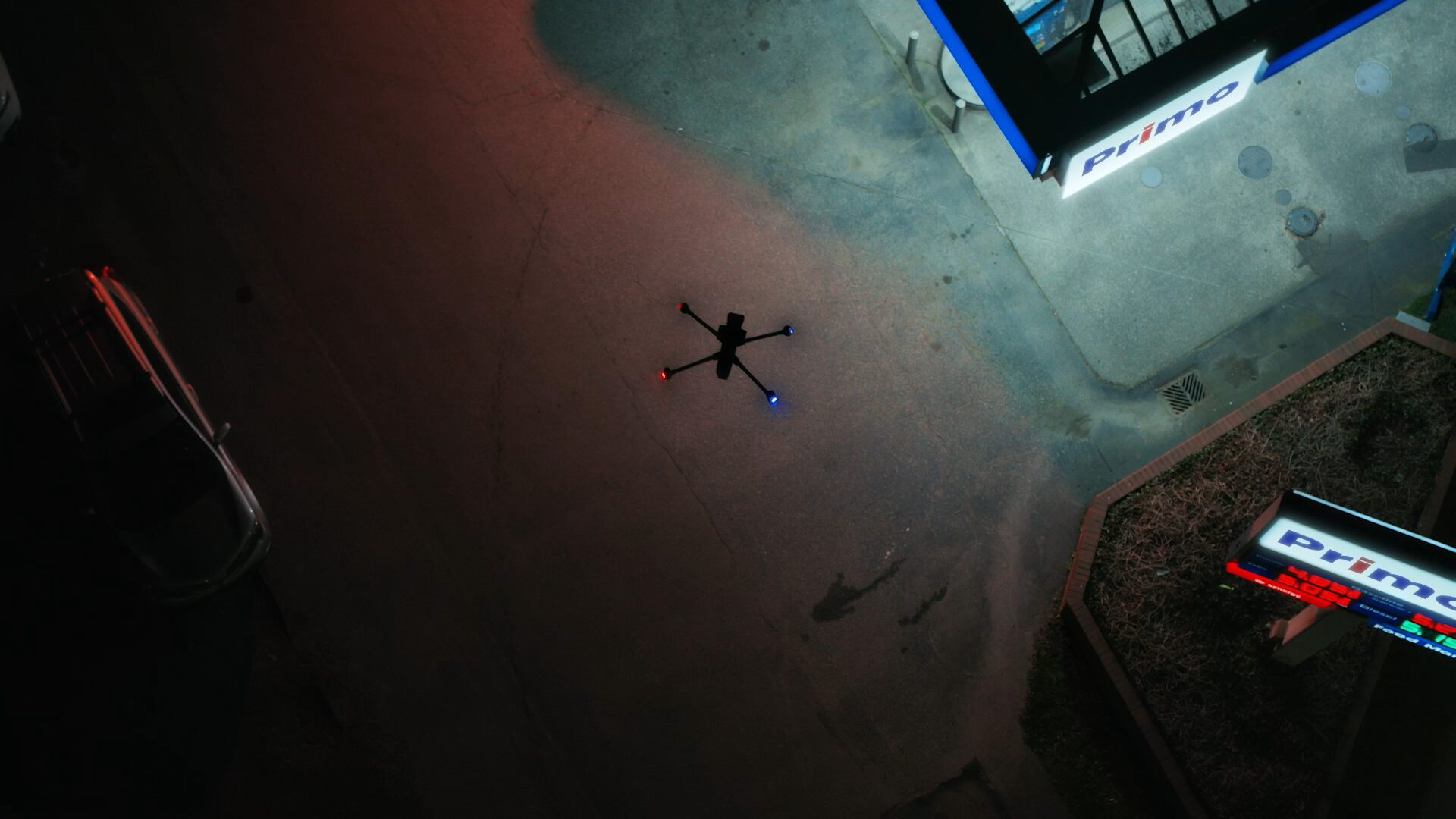
Responder – Top Down

Protecting children demands more than a fast response. It requires certainty, discretion, and control, before a child predator ever knows law enforcement is present.

In 2025, the Taylor Police Department carried out multiple undercover operations targeting individuals attempting to exploit minors in Michigan. By the end of the year, 14 child predators had been arrested, several of whom later pleaded guilty. In 2026, four more men men going to meet children to engage in sex were arrested.

And BRINC Responder drones provided a critical advantage in all these operations.

Identifying Suspects Before They Blend In

Taylor PD’s investigations begin online, with undercover officers posing as minors and arranging in-person meetings. The real challenge starts when suspects arrive, often lying about their vehicle, appearance, or intentions.

That’s where BRINC Responder enters the operation.

“Suspects aren’t honest,” said Lt. Jeff Adamisin. “They’ll say they’re driving one thing and show up in another. We deploy the Responders so we can verify everything before officers ever make contact.”

During these stings, Taylor PD deployed Responders to cover all entrances of large public areas, including parks and event spaces. With an industry-leading hover time (or time on scene) and powerful zoom, the drones scanned incoming vehicles. In multiple cases, suspects were positively identified before undercover officers even had eyes on them.

Clear Visuals. Zero Guesswork.

Flying over 150 feet overhead, the Responder delivered clear, stable imagery despite cluttered environments with tall trees and unpredictable weather.

“The image quality was excellent,” Adamisin said. “We could see inside the vehicle, get the angles we needed, and confirm with certainty that this was the right person.”

That certainty matters. It means officers move in knowing exactly who they’re dealing with, which reduces risk, avoids misidentification, and strengthens evidence from the start.

A Silent, Tactical Advantage

Because suspects never detected the drone, Taylor PD maintained continuous oversight without escalating the situation.

“It’s a huge asset,” Adamisin said. “We’re able to watch the target from a distance without being spotted.”

In some operations, two Responders were flown simultaneously, locking down multiple exits. In one instance, when a suspect vehicle moved away from the scene at up to 45 mph, a Responder tracked it, fully documenting the entire time, until officers safely stopped it.

From Tool to First Responder

Taylor PD’s drone program has evolved from patrol support to a true Drone as First Responder (DFR) model. The shift didn’t happen overnight. But once officers experienced the operational impact, buy-in quickly followed.

“When our fleet is unavailable, officers started saying, ‘I wish we had a Responder right now,’” Adamisin said. “That’s when we knew this technology had changed how we operate.”

Real Outcomes, Real Protection

By putting eyes on scene first, Responder helped Taylor PD control the moment before it became dangerous.

These operations weren’t demonstrations. They delivered results: faster identification, safer arrests, stronger evidence, and 14 predators taken off the street.

Not by chance. By design.

January 29, 2026

How Police Used BRINC Drones to Stop Child Sex Predators
Responder – Top Down

Protecting children demands more than a fast response. It requires certainty, discretion, and control, before a child predator ever knows law enforcement is present.

In 2025, the Taylor Police Department carried out multiple undercover operations targeting individuals attempting to exploit minors in Michigan. By the end of the year, 14 child predators had been arrested, several of whom later pleaded guilty. In 2026, four more men men going to meet children to engage in sex were arrested.

And BRINC Responder drones provided a critical advantage in all these operations.

Identifying Suspects Before They Blend In

Taylor PD’s investigations begin online, with undercover officers posing as minors and arranging in-person meetings. The real challenge starts when suspects arrive, often lying about their vehicle, appearance, or intentions.

That’s where BRINC Responder enters the operation.

“Suspects aren’t honest,” said Lt. Jeff Adamisin. “They’ll say they’re driving one thing and show up in another. We deploy the Responders so we can verify everything before officers ever make contact.”

During these stings, Taylor PD deployed Responders to cover all entrances of large public areas, including parks and event spaces. With an industry-leading hover time (or time on scene) and powerful zoom, the drones scanned incoming vehicles. In multiple cases, suspects were positively identified before undercover officers even had eyes on them.
Clear Visuals. Zero Guesswork.

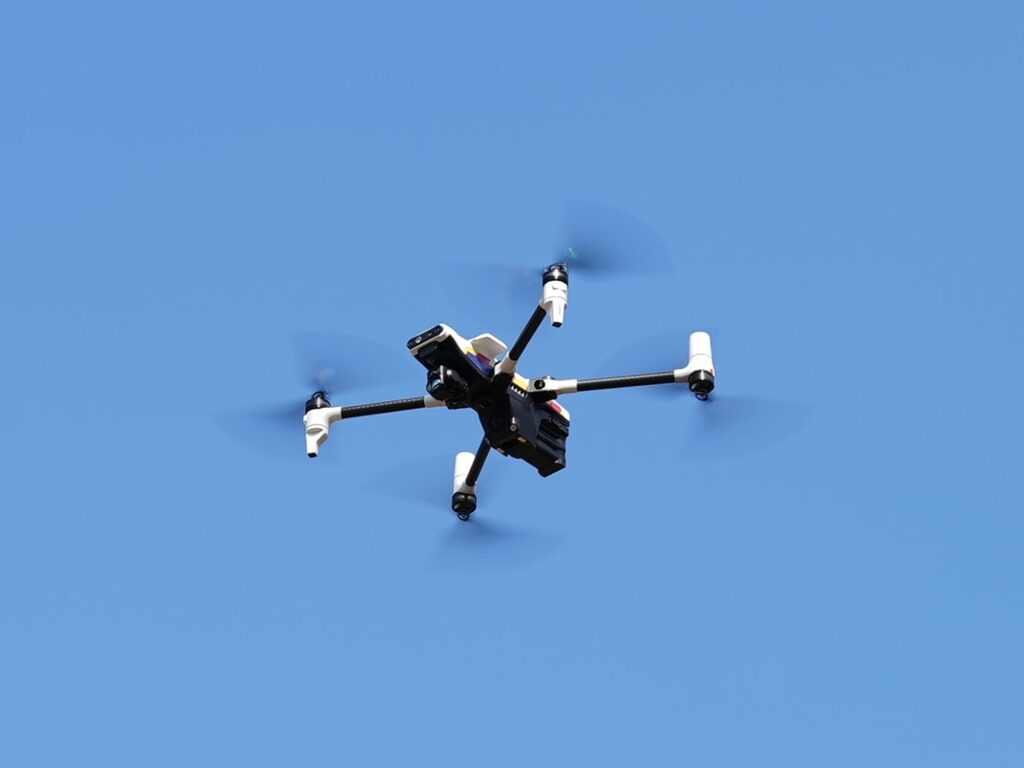
Flying over 150 feet overhead, the Responder delivered clear, stable imagery despite cluttered environments with tall trees and unpredictable weather.

“The image quality was excellent,” Adamisin said. “We could see inside the vehicle, get the angles we needed, and confirm with certainty that this was the right person.”

That certainty matters. It means officers move in knowing exactly who they’re dealing with, which reduces risk, avoids misidentification, and strengthens evidence from the start.

A Silent, Tactical Advantage

Because suspects never detected the drone, Taylor PD maintained continuous oversight without escalating the situation.

“It’s a huge asset,” Adamisin said. “We’re able to watch the target from a distance without being spotted.”

In some operations, two Responders were flown simultaneously, locking down multiple exits. In one instance, when a suspect vehicle moved away from the scene at up to 45 mph, a Responder tracked it, fully documenting the entire time, until officers safely stopped it.
From Tool to First Responder

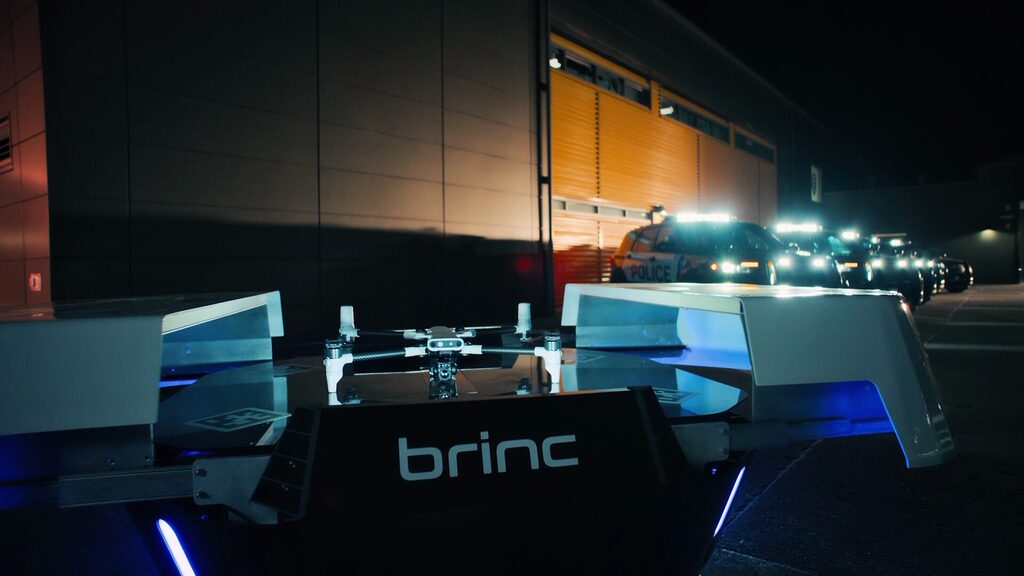
Taylor PD’s drone program has evolved from patrol support to a true Drone as First Responder (DFR) model. The shift didn’t happen overnight. But once officers experienced the operational impact, buy-in quickly followed.

“When our fleet is unavailable, officers started saying, ‘I wish we had a Responder right now,’” Adamisin said. “That’s when we knew this technology had changed how we operate.”

Real Outcomes, Real Protection

By putting eyes on scene first, Responder helped Taylor PD control the moment before it became dangerous.

These operations weren’t demonstrations. They delivered results: faster identification, safer arrests, stronger evidence, and 14 predators taken off the street.

Not by chance. By design.

Featured